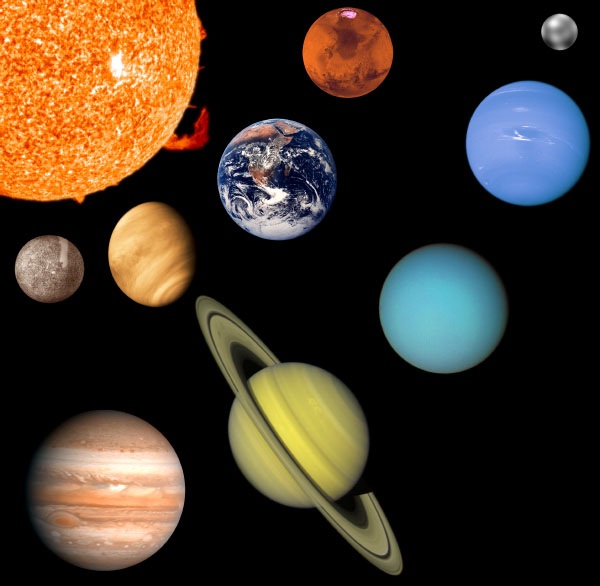

There are eight planets. count up!:
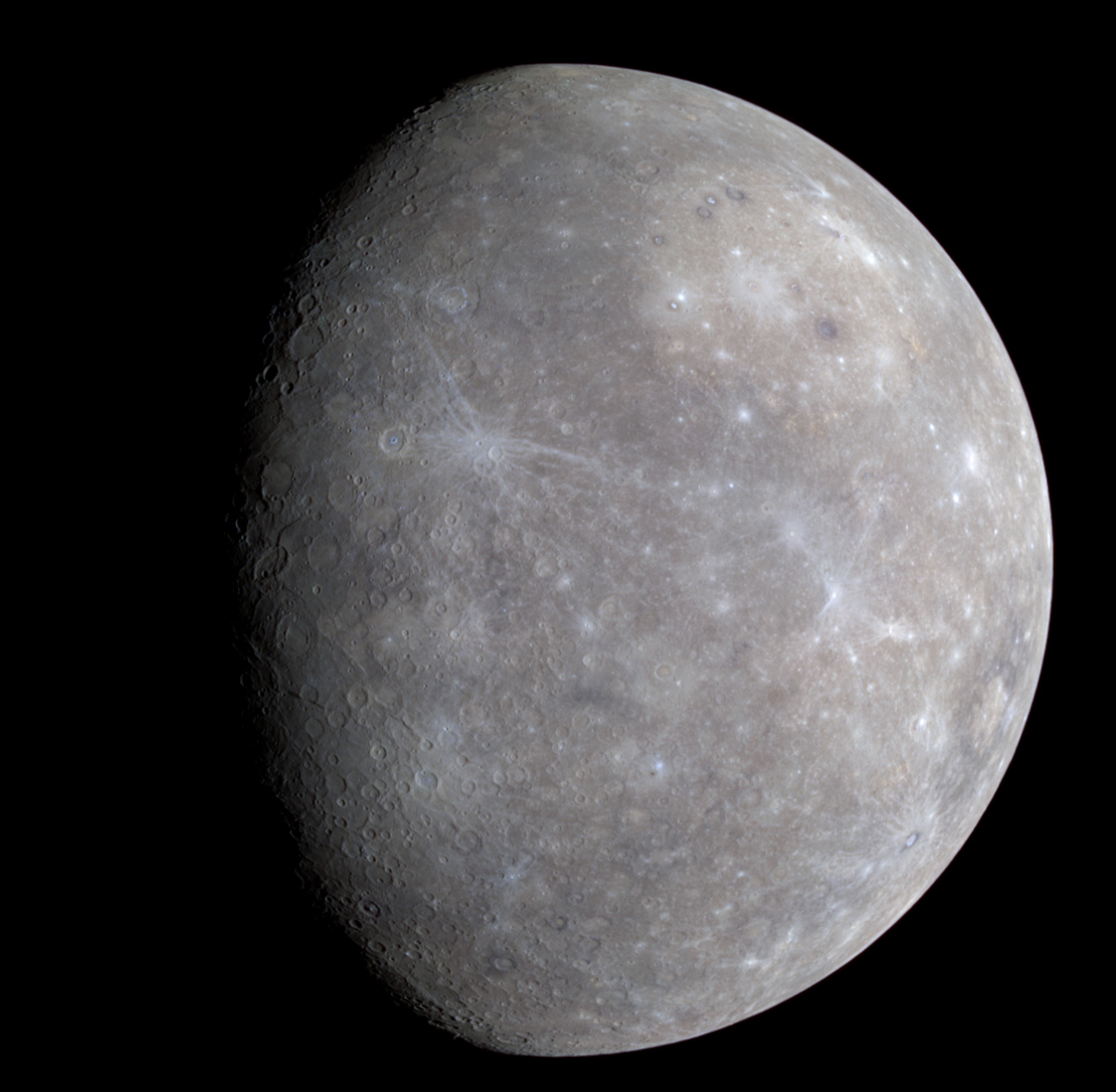
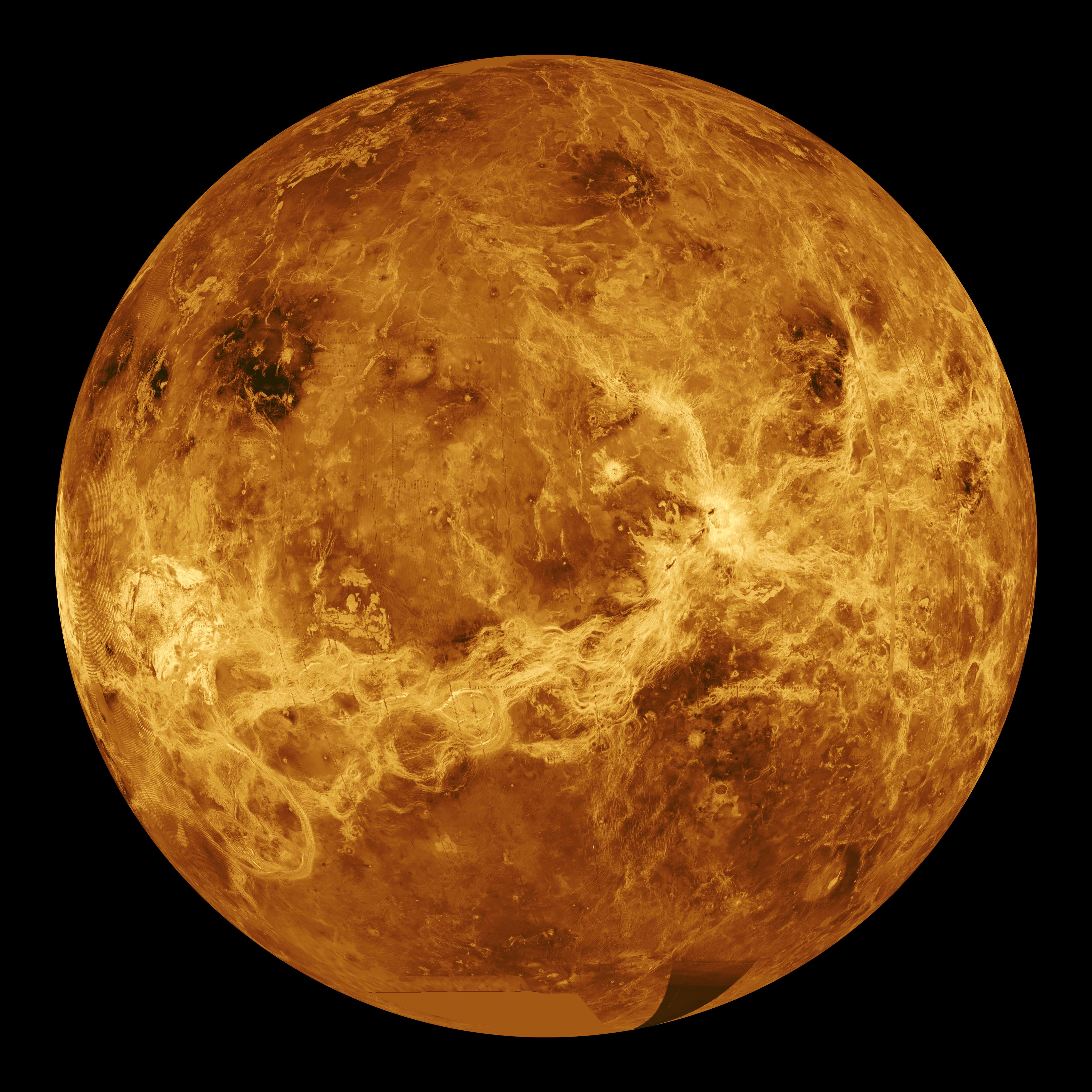
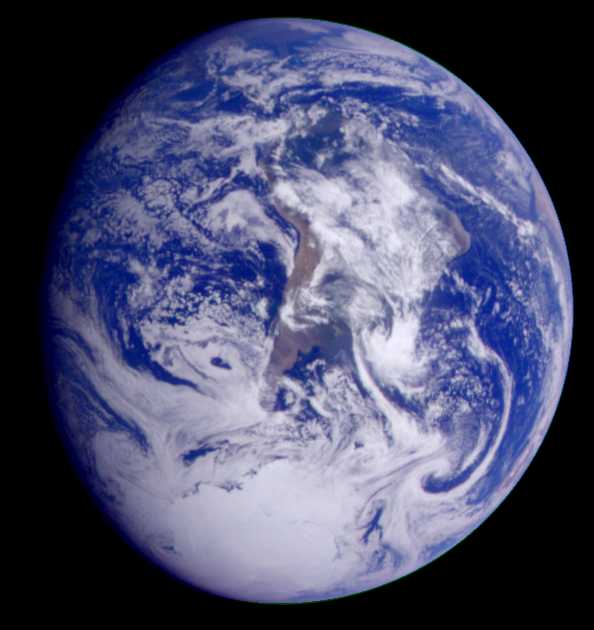
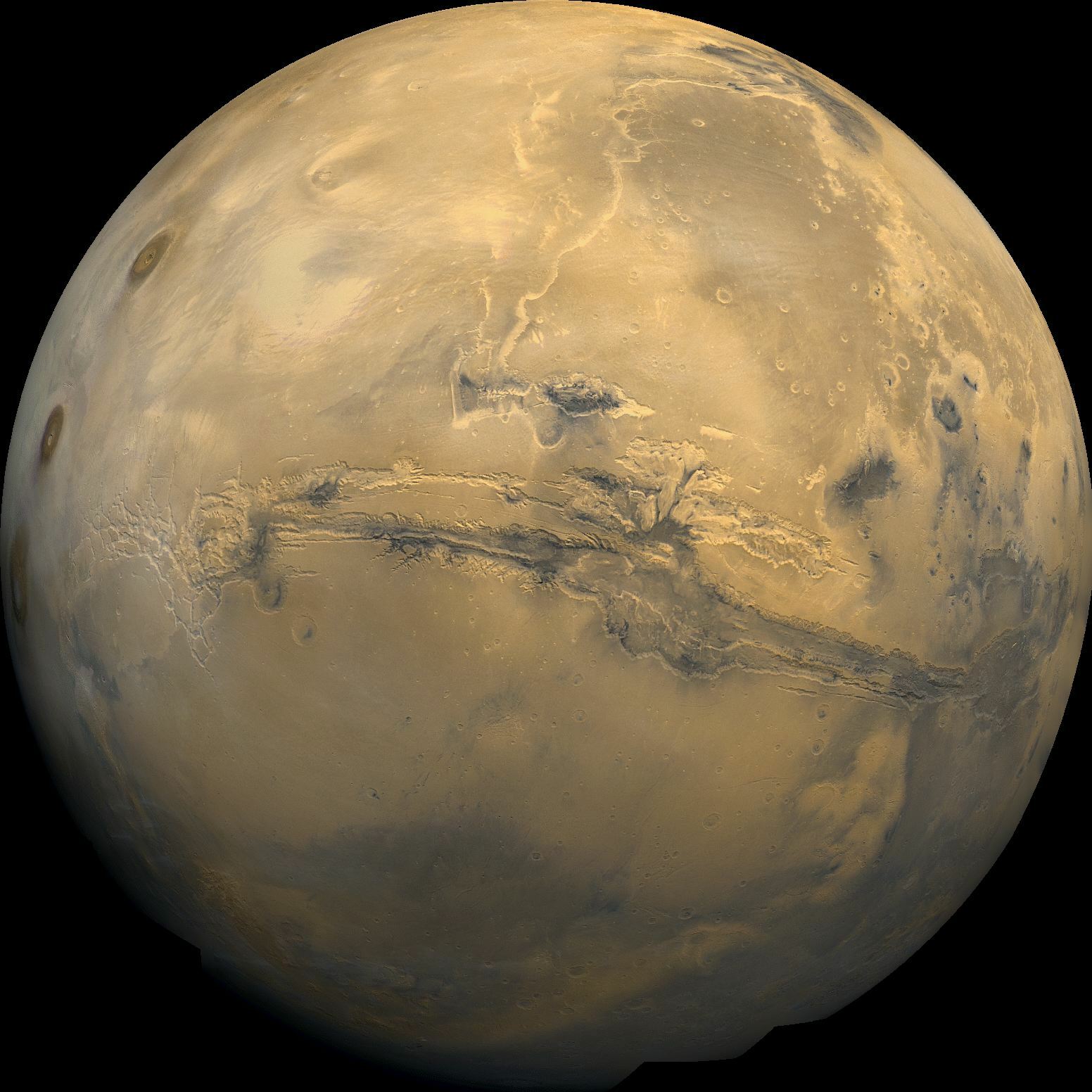
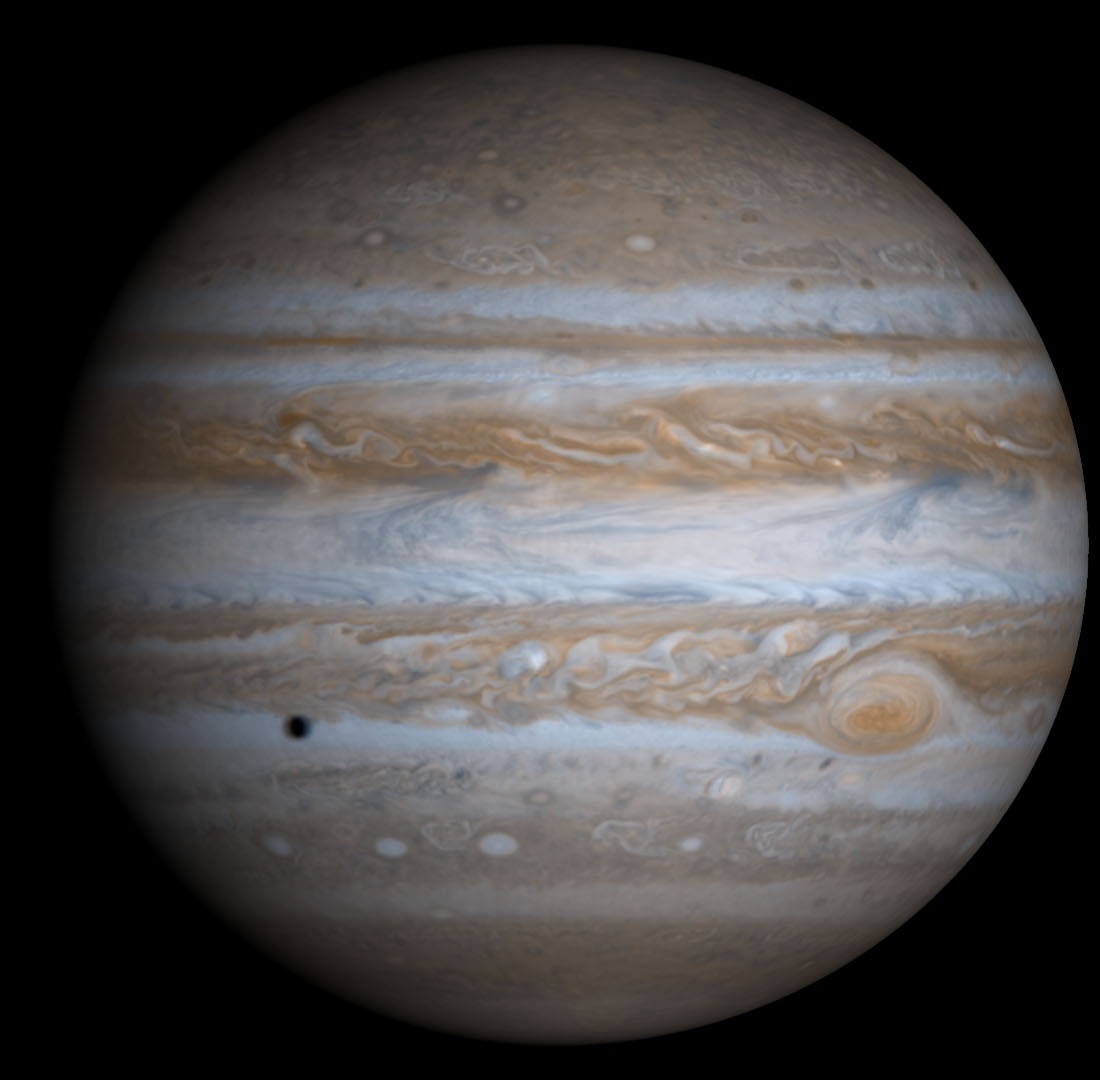
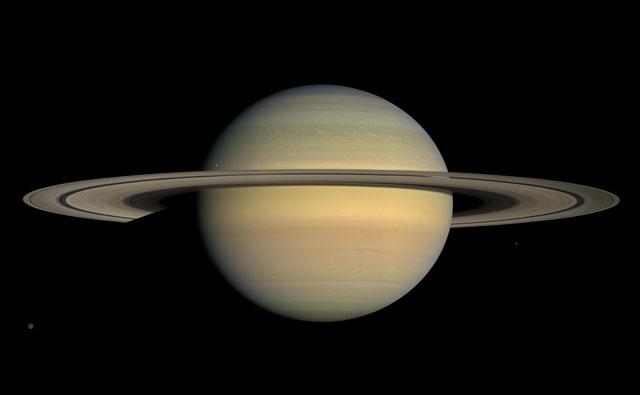
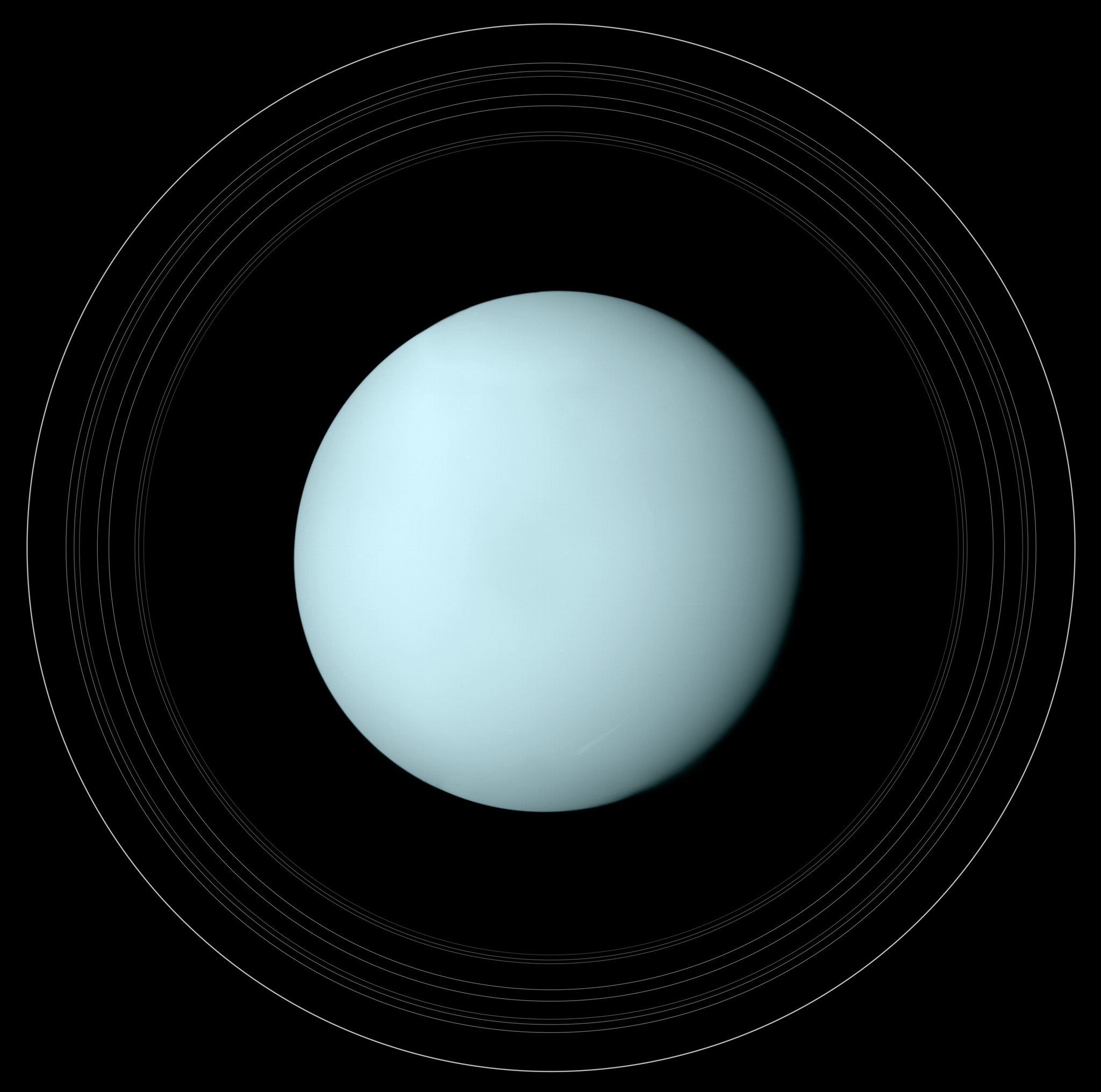
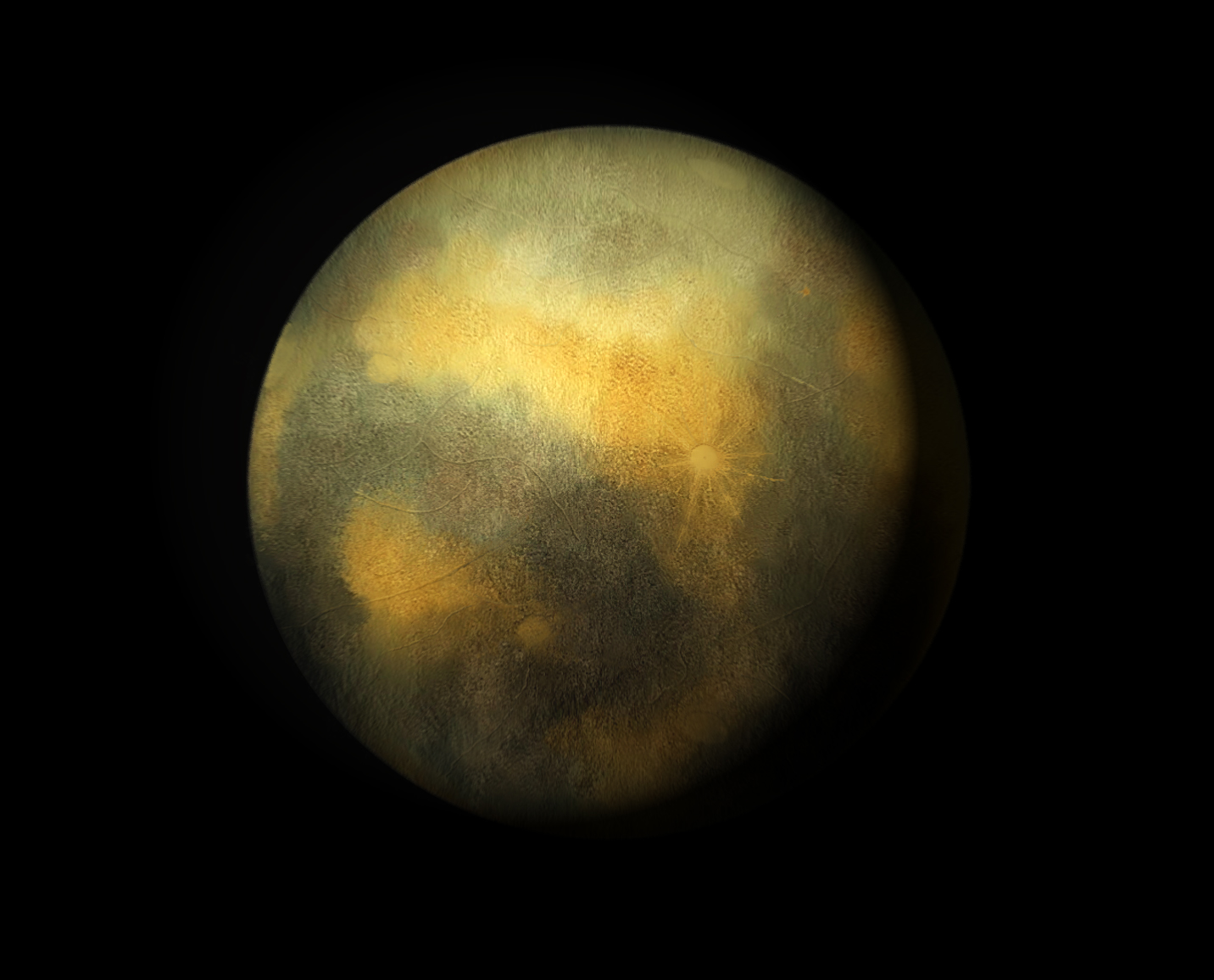
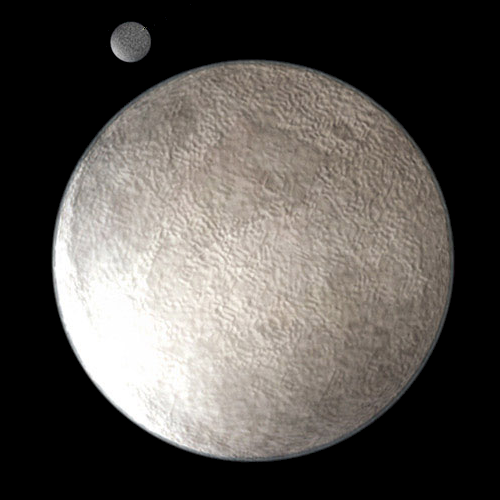
MercuryMercury is the closest planet to the Sun and it is the smallest planet in the solar system. Mercury has no atmosphere, because of the surface temperatures are about 427°C (800°F). Mercury is not much bigger than our Moon, it is about four times of the size of Earth. VenusVenus is a planet, the second planet from the Sun and it is the sixth largest planet in the solar system. The planet has clouds made up of sulfuric acid that hide the planet's surface from view. It is not much to see, because the thick carbon dioxide atmosphere has given Venus a hellish surface temperature of 460°C (860°F) with an air pressure 90 times that of Earth. It is a desolate, waterless, rocky desert only. With its reflective clouds and its relative closeness to Earth and the Sun, Venus is the brightest planet in the night sky (that is why they call it the morning and evening star). It is sometimes called the Earth's "twin planet" because it began as a very similar body, about the same size as Earth. EarthThe Earth (or Tellus) is the third planet from the Sun and it is the fifth largest planet in the solar system. About 70% of the Earth's surface is covered by water. The Earth's atmosphere acts as a temperature modulator, shielding the planet from much of the Sun's harmful radiation. The Earth's tilt on its axis causes seasons. MarsMars is the fourth planet from the Sun and it is the seventh largest planet in the solar system. Its axial inclination is similar, giving it seasons like Earth. Polar ice caps expand and recede. Mars has less gravity and atmosphere with similar cloud types. Its dormant volcanoes are the largest in our solar system. Mars has two moons, Phobos and Deimos. For a planet to have liquid water, it must be the perfect distance from the Sun, not so close that it boils away, and not so far that it freezes. There is no liquid water on Mars, it is generally far too cold and the atmospheric pressure is too low. While there are certain places (near the equator) on Mars that occasionally reach temperatures high enough for liquid water to exist, the atmospheric pressure is so low that any ice on the ground surface would change directly from ice into vapor, which is called sublimation. CeresCeres (1) is the largest asteroid and the only dwarf planet in the inner Solar System. It is a rock–ice and the smallest identified dwarf planet. Ceres was discovered on January 1, 1801 by astronomer Giuseppe Piazzi, a monk in Sicily and the founding director of the Palermo Astronomical Observatory. Ceres was found within a gap between Mars and Jupiter where a planet was expected to reside, based on the spacing of the known planets in the solar system. JupiterJupiter is the fifth planet from the Sun and it is the is the largest planet in the solar system. It is approximately 143,000 kilometers (about 89,000 miles) wide at its equator. Jupiter is so large that all of the other planets in the solar system could fit inside it. More than 1,000 Earths would fit inside Jupiter. Jupiter is like a star in composition. If Jupiter had been about 80 times more massive, it would have become a star rather than a planet. SaturnSaturn is the sixth planet from the Sun, it is the second largest planet of the solar system. Ice particles, silica rocks of all sizes from micrometers to tens of meters from the thousands of wide, thin rings that encircle Saturn. Saturn is often called the queen among planets because it is almost as big as Jupiter (Earth diameter size). UranusUranus is the seventh planet from the Sun. It is discovered by William Herschel in 1781. NeptuneNeptune is the eighth planet from the Sun, and it is the outermost major planet in our solar system. Neptune is slightly smaller but more massive (dense) than Uranus. Neptune is nicknamed the "Ocean Planet" because of its blue color, and no actual liquid water exists as there is on Earth. It is a gas and "ice" giant with a surface covered by crushingly dense clouds of hydrogen and helium. The outer layers are very cold: the temperature at Earth pressures are as low as -200°C (-328 °F). Near the core a water-methane mix exists at thousands of times Earth pressure, and a temperature of over 1000°C (1800°F). The winds in the atmosphere of Neptune can reach up to 1000 miles per hour (1600 kph). One interesting speculation is that it may "rain diamonds" on Neptune, as methane breaks down into carbon and hydrogen under the heat and pressure near the core. PlutoPluto (134340) is the second-most-massive known dwarf planet in the Solar System (after Eris) and the tenth-most-massive body observed directly orbiting the Sun. Although Pluto was discovered in 1930, limited information on the distant object delayed a realistic understanding of its characteristics. Pluto is the second largest known dwarf planet and tenth largest orbiting the Sun. From its time of discovery in 1930 to 2006 it was considered to be the ninth planet in the solar system, but because additional objects have been discovered including Eris which is 27% more massive, the IAU reclassified Pluto and the other objects as dwarf planets. HaumeaHaumea (136108) is a dwarf planet located beyond Neptune's orbit. Just one-third the mass of Pluto, it was discovered in 2004 by a team headed by Mike Brown of Caltech at the Palomar Observatory in the United States and, in 2005, by a team headed by J. L. Ortiz at the Sierra Nevada Observatory in Spain, though the latter claim has been contested and thus is not official. On September 17, 2008, it was recognized as a dwarf planet by the International Astronomical Union (IAU) and named after Haumea, the Hawaiian goddess of childbirth. MakemakeMakemake (136472) is a dwarf planet and perhaps the largest Kuiper belt object (KBO) in the classical population, with a diameter that is about 2/3 the size of Pluto. Makemake was discovered on March 31, 2005, by a team led by Michael Brown, and announced on July 29, 2005. Makemake was recognized as a dwarf planet by the International Astronomical Union (IAU) in July 2008. ErisEris (136199 or UB313) is the most massive known dwarf planet in the Solar System and the ninth most massive body known to orbit the Sun directly. Eris is the most distant object ever seen in orbit around the Sun, the Kuiper Belt object discovered in 2003. The object was discovered on January 5, 2005 by Mike Brown, Chad Trujillo and David Rabinowitz at Palomar observatory in the out reaches of the Kuiper belt. |
|
|||||